 delishing
How to Cook Steak on a Grill: The Pro's Guide to Perfect Char and Tenderness

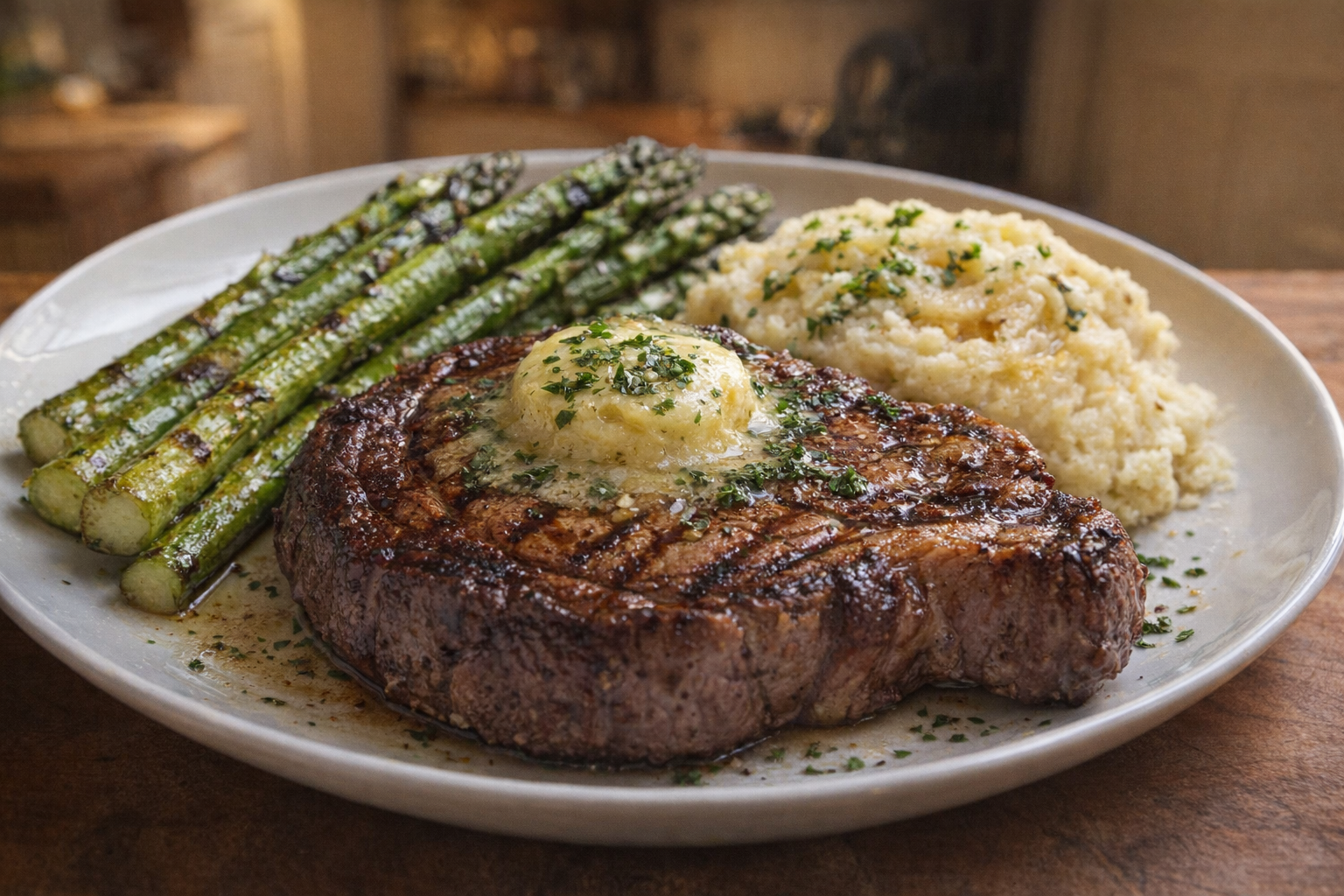
The allure of grilled steak is undeniable. The captivating aroma of seared beef mingling with smoky char, the satisfying sizzle as it hits the grill, and the anticipation of that first, juicy bite – it’s a primal culinary experience. Mastering grilled steak is within reach, transforming ordinary cookouts into memorable feasts. This guide breaks down the process, revealing professional techniques for achieving a perfectly cooked steak with a restaurant-quality crust, right in your backyard.
This method works so well because high-heat grilling creates a beautiful Maillard reaction, the browning process that develops complex flavors on the surface of the steak. Proper preparation, searing, and resting are crucial for ensuring tenderness and juiciness throughout. Forget dry, bland steaks; this approach delivers consistent results, every time.
Understanding Steak Cuts
Selecting the right cut is paramount to grilling success. Different cuts offer varying levels of tenderness, fat content, and flavor. Here's a breakdown of popular choices:
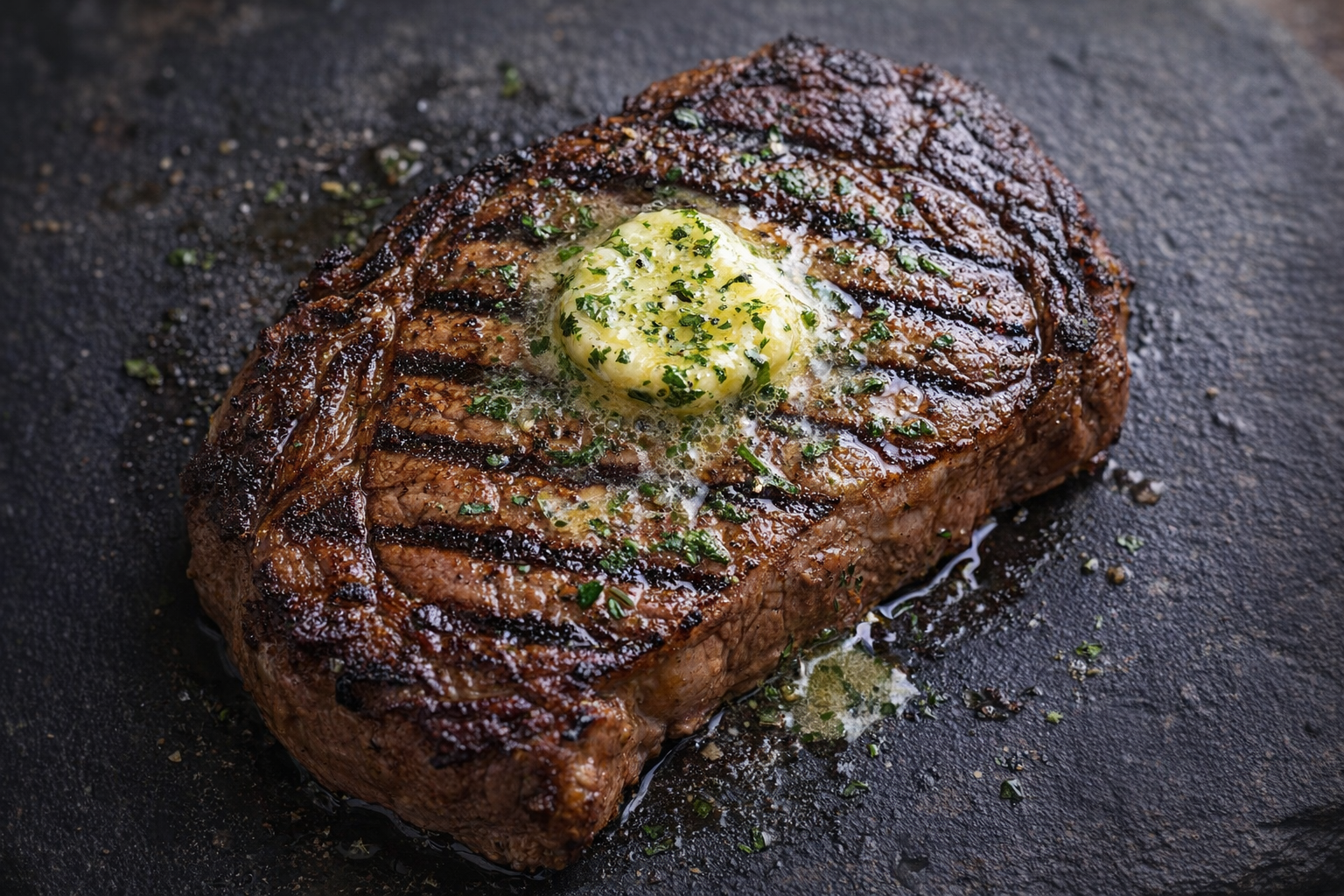
- Ribeye: The king of grilling steaks. Abundant intramuscular fat (marbling) renders during cooking, resulting in exceptional flavor and moisture. Opt for ribeyes with generous marbling and at least 1-inch thickness.
- New York Strip: A lean and flavorful cut with a tighter grain than ribeye. It's known for its firm texture and robust beefy flavor. Choose strips that are at least 1-inch thick for optimal grilling.
- Filet Mignon: The most tender cut, but also the leanest. It benefits from a high-heat sear to develop flavor. Look for filets that are at least 1.5 inches thick to prevent overcooking.
- Sirloin: A more budget-friendly option that still delivers good flavor. Choose top sirloin for better tenderness. Marinating sirloin before grilling can enhance its moisture and flavor.
- Flank Steak: A thin, flavorful cut that's best grilled hot and fast. It should be sliced against the grain for maximum tenderness.
Why Cook Steak This Way?
- Versatility: Grilling accommodates various steak cuts, from thick ribeyes to thin flank steaks.
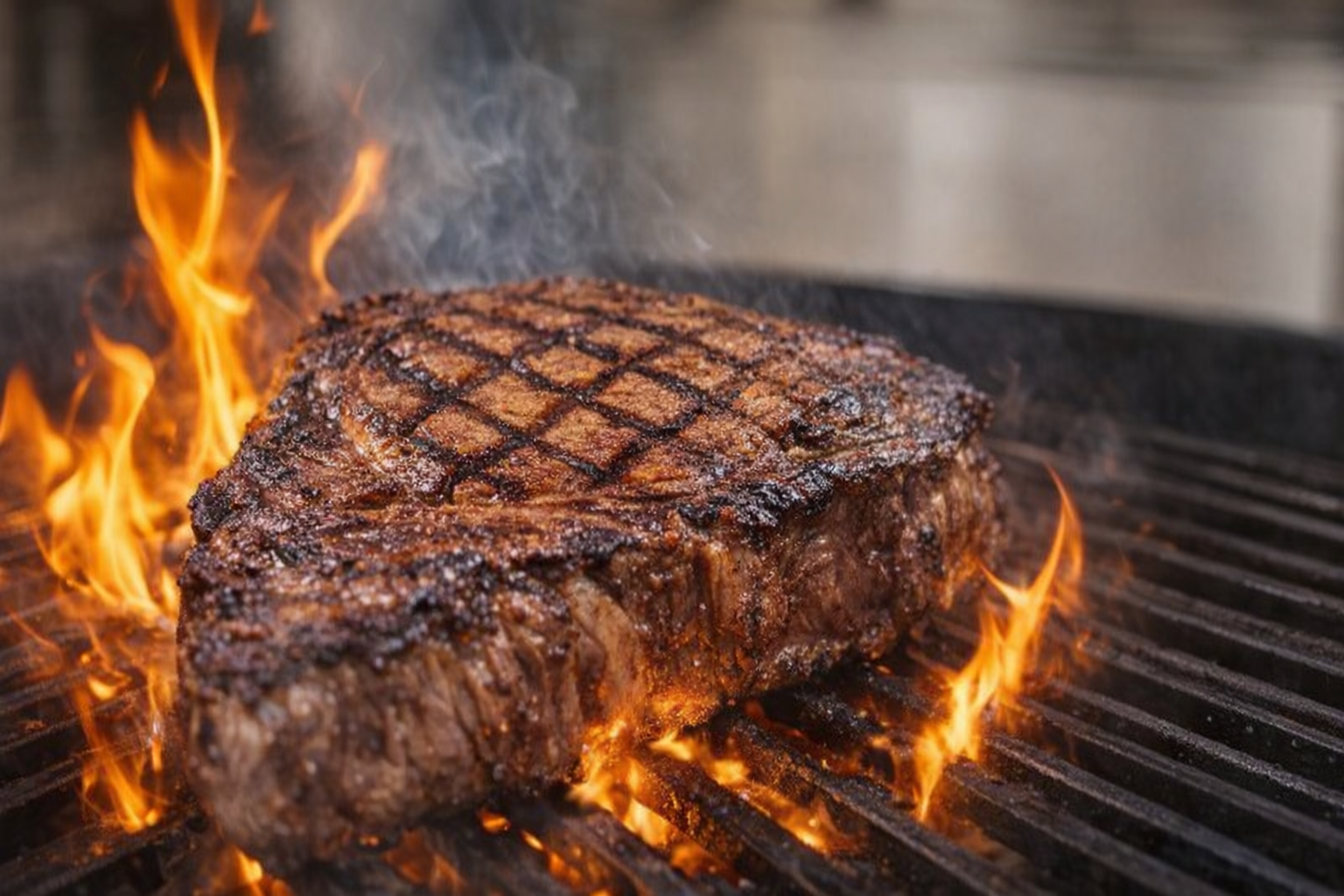
- Flavor: The high heat of the grill sears the exterior, creating a flavorful crust and smoky char.
- Convenience: Grilling is a relatively quick cooking method, perfect for weeknight dinners or weekend gatherings.
Preparation (Mise en Place)
- Thawing: If using frozen steak, thaw it completely in the refrigerator for 24-48 hours. Never thaw steak at room temperature, as this can promote bacterial growth.
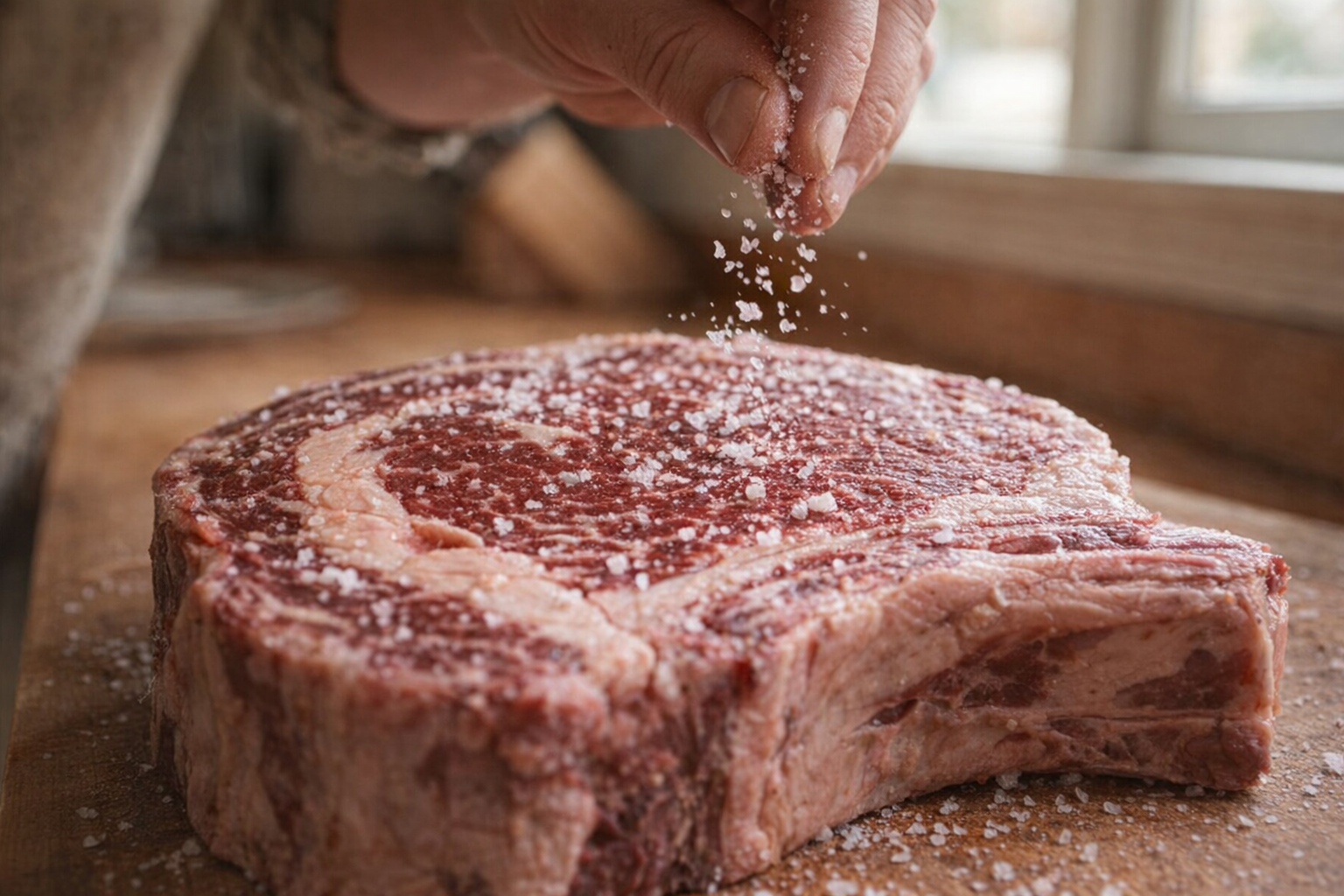
- Drying: Pat the steak dry with paper towels. Removing surface moisture is crucial for achieving a good sear. A dry surface encourages the Maillard reaction, resulting in a flavorful crust.
- Trimming (Optional): Trim any excess fat from the steak, but leave a thin layer to render and add flavor during grilling.
Essential Tools
- Grill (Gas or Charcoal): A grill capable of reaching high temperatures (450-500°F).
- Tongs: Essential for flipping and handling the steak without piercing it.
- Meat Thermometer: To accurately monitor the internal temperature of the steak. An instant-read thermometer is recommended.
- Basting Brush: For applying oil to the grill grates.
- Heat-Resistant Gloves: To protect your hands from the heat of the grill.
The Cooking Method(s)
Method 1: High-Heat Direct Grilling
This method is ideal for steaks that are at least 1-inch thick and have good marbling, like ribeyes and New York strips.
Ingredients:
- 2 Ribeye steaks (1-inch thick), about 8-10 ounces each
- 1 tablespoon Vegetable oil (or canola oil)
- 2 teaspoon Kosher salt (or sea salt)
- 1 teaspoon Freshly ground black pepper
- Optional: Compound butter for serving (recipe follows)
- Prepare the Grill: Preheat your grill to high heat (450-500°F). Clean the grill grates thoroughly and lightly oil them with vegetable oil to prevent sticking. The sizzle of the oil hitting the hot grates indicates the grill is ready.
- Season the Steaks: Generously season both sides of the steaks with kosher salt and freshly ground black pepper. Press the seasoning into the meat to ensure it adheres.
- Sear the Steaks: Place the steaks directly over the high heat. Listen for the satisfying sizzle as the meat hits the grates. Sear for 3-4 minutes per side, without moving them, to develop a deep brown crust. The aroma of seared beef will fill the air.
- Check the Temperature: Insert a meat thermometer into the thickest part of the steak. Aim for 130-135°F for medium-rare.
- Rest the Steaks: Remove the steaks from the grill and transfer them to a cutting board. Tent loosely with foil and let them rest for 5-10 minutes. During resting, the internal temperature will rise slightly and the juices will redistribute, resulting in a more tender and flavorful steak.
- Serve: Top the rested steaks with a pat of compound butter, if desired, and serve immediately.
Cooking Time & Doneness Guide:
- Medium-Rare: 130-135°F (warm red center) - Approximately 8-10 minutes total cooking time for a 1-inch thick steak.
- Medium: 140-145°F (warm pink center) - Approximately 10-12 minutes total cooking time for a 1-inch thick steak.
- Medium-Well: 150-155°F (slightly pink center) - Approximately 12-14 minutes total cooking time for a 1-inch thick steak.
- Well-Done: 160°F+ (little or no pink) - Not recommended, as the steak will likely be dry.
Visual Cues
- Medium-Rare: The steak will feel slightly firm when pressed, with a significant amount of give.
- Medium: The steak will feel firmer when pressed, with less give.
Tips for Perfection
- Don't Overcrowd the Grill: Cook steaks in batches if necessary to maintain high heat. Overcrowding lowers the grill temperature and can result in steaming instead of searing.
- Use a Meat Thermometer: Relying on visual cues alone can be unreliable. A meat thermometer ensures accurate doneness.
- Let the Steak Rest: Resting the steak after grilling is crucial for allowing the juices to redistribute, resulting in a more tender and flavorful steak. Don't skip this step!
- Don't Press the Steak: Avoid pressing down on the steak while it's grilling, as this will squeeze out the juices and result in a dry steak.
Storage & Reheating
- Storage: Store leftover grilled steak in an airtight container in the refrigerator for up to 3-4 days.
- Reheating: The best way to reheat steak is in a low oven (250°F) to prevent it from drying out. Place the steak on a wire rack set over a baking sheet and reheat for 10-15 minutes, or until heated through. You can also sear it quickly in a hot pan with a little oil to re-crisp the exterior.
Serving Suggestions
- Classic Steak Dinner: Serve with roasted potatoes, asparagus, and a side salad.
- Steak Sandwich: Slice the grilled steak thinly and serve on a toasted roll with your favorite toppings, such as caramelized onions, peppers, and cheese.
- Steak Salad: Top a bed of mixed greens with sliced grilled steak, cherry tomatoes, cucumbers, and a vinaigrette dressing.
- Steak Fajitas: Slice the grilled steak into strips and serve with sautéed peppers and onions, tortillas, and your favorite fajita toppings.
Frequently Asked Questions
While thawing in the refrigerator is recommended for optimal safety and even cooking, you can use the cold water method. Submerge the steak in a leak-proof bag in a bowl of cold water, changing the water every 30 minutes until thawed; this is much faster than refrigerator thawing but requires attention.
Yes, you can definitely use a gas grill. Preheat the gas grill to high heat, ensuring that the grates are properly heated before placing the steak on them for searing and cooking.
Make sure your grill grates are clean and properly preheated. Before placing the steak on the grill, lightly oil the grates with a high-smoke-point oil like canola or avocado oil to create a non-stick surface.
Use a reliable instant-read thermometer inserted into the thickest part of the steak, avoiding bone. Refer to a temperature guide to determine your desired level of doneness (e.g., 130-135°F for medium-rare), and remember that the internal temperature will rise slightly as the steak rests.